Addressable TV is the part of the CTV conversation that gets the least attention and does the most to explain why a media plan can't be pure streaming. It brings household-level ad targeting to live linear TV — the same broadcast or cable feed, different ads for different households watching it — without asking the viewer to change anything about how they watch. For operators and buyers who need live sports and news reach that streaming alone can't deliver, addressable linear is the bridge between broadcast scale and digital-style targeting.
Addressable linear, defined precisely
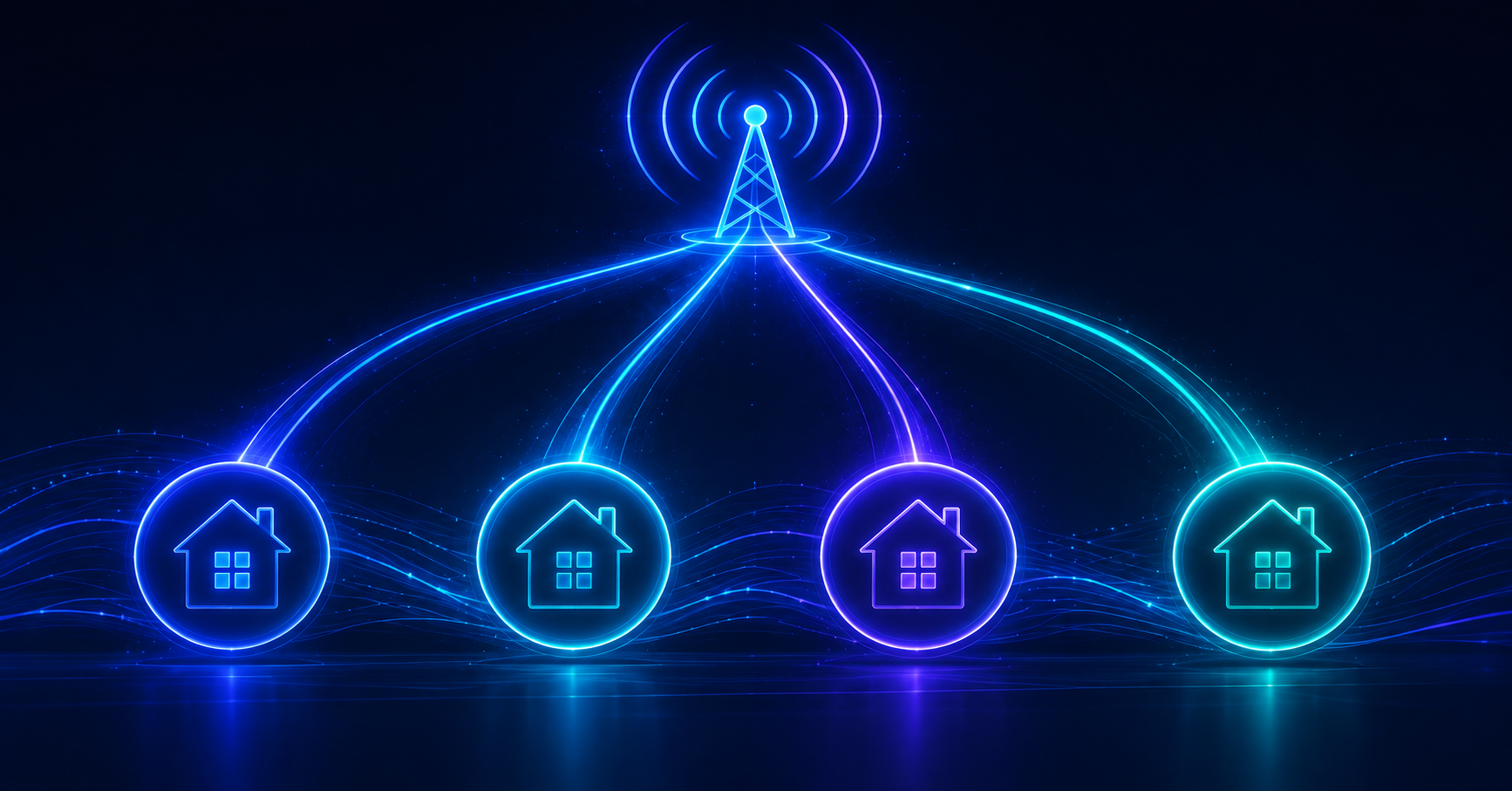
Addressable linear TV replaces the same national ad pod with different creatives for selected households, on the same cable, satellite, or IPTV feed, at the same moment. Two neighbors watching the same live football broadcast on the same channel can see two different car ads during the same break — the substitution happens at the set-top box (STB) level or via IP return-path data the distributor uses to decide which creative each home receives. The content every household sees is identical; only the ad break differs.
This is fundamentally different from ad insertion in CTV SSAI, even though the outcome — a different ad per household — looks similar from the viewer's seat. Addressable linear substitution happens inside the operator's own distribution infrastructure using DMA-level and household segment data the operator or a data partner supplies; CTV SSAI happens entirely over IP, stitching ads into a streaming manifest with no dependency on cable or satellite distribution at all. Both use SCTE-35 cues to mark the ad break, which is the one piece of infrastructure they genuinely share.
How addressable linear differs from CTV — and why buyers run both
CTV is IP-delivered streaming, consumed through an app on a smart TV or streaming device. Addressable linear rides inside traditional linear distribution — the household still has a cable, satellite, or IPTV subscription, and the substitution happens transparently within that existing infrastructure. Buyers who need both live sports and news adjacency (where linear still holds meaningfully more reach than streaming) and cord-cutter or cord-never reach (households with no linear subscription at all) typically run both in the same media plan rather than choosing one.
The practical challenge is that these two delivery paths have historically reported through entirely separate systems with no shared household key — a household reached through addressable linear and the same household reached through a CTV app show up as two independent numbers with no way to detect the overlap. A unified identity layer like HouseholdID is what makes combined reach and frequency reporting across both delivery modes possible instead of two disconnected spreadsheets that both claim to represent the same audience.
How addressable linear campaigns are bought and measured
Addressable linear inventory is typically bought on a hybrid model: a base GRP (gross rating point) buy for the national pod, layered with household segment overlays for the addressable portion — first-party CRM matches, demographic segments, or purchase-intent data supplied by the operator or a data partner. This differs from CTV's impression-based, auction-driven buying model covered in the DSP buying guide; addressable linear inventory is more often negotiated directly with operators than transacted through open programmatic auction, though that's shifting as more MVPDs open OpenRTB-based supply paths.
Measurement for addressable linear reconciles ad exposure with outcomes — sales lift, site visits, app installs — through a measurement partner rather than relying on impression counts alone, since a household-level ad substitution doesn't generate the same completion and quartile beacon data a CTV VAST-served impression does. Match rate (the share of a target audience the operator can actually resolve to an addressable household) and incrementality study design matter more to campaign evaluation here than raw delivered-impression volume — a campaign that delivered every planned impression to the wrong match-rate-diluted audience will underperform a smaller, better-matched one regardless of what the delivery report shows.
Where addressable linear fits in a CTV-first media plan
For most brands running CTV as the primary streaming channel, addressable linear is the component that recovers reach CTV structurally can't: live event and news audiences who are watching in real time rather than through an app, and demographic segments — often older, higher-income households — that still index toward traditional pay-TV subscriptions. Operators building addressable capability on top of existing distribution can connect that inventory to the same household-level decisioning infrastructure that powers CTV, closing the reporting gap between the two delivery modes rather than maintaining them as permanently separate systems.